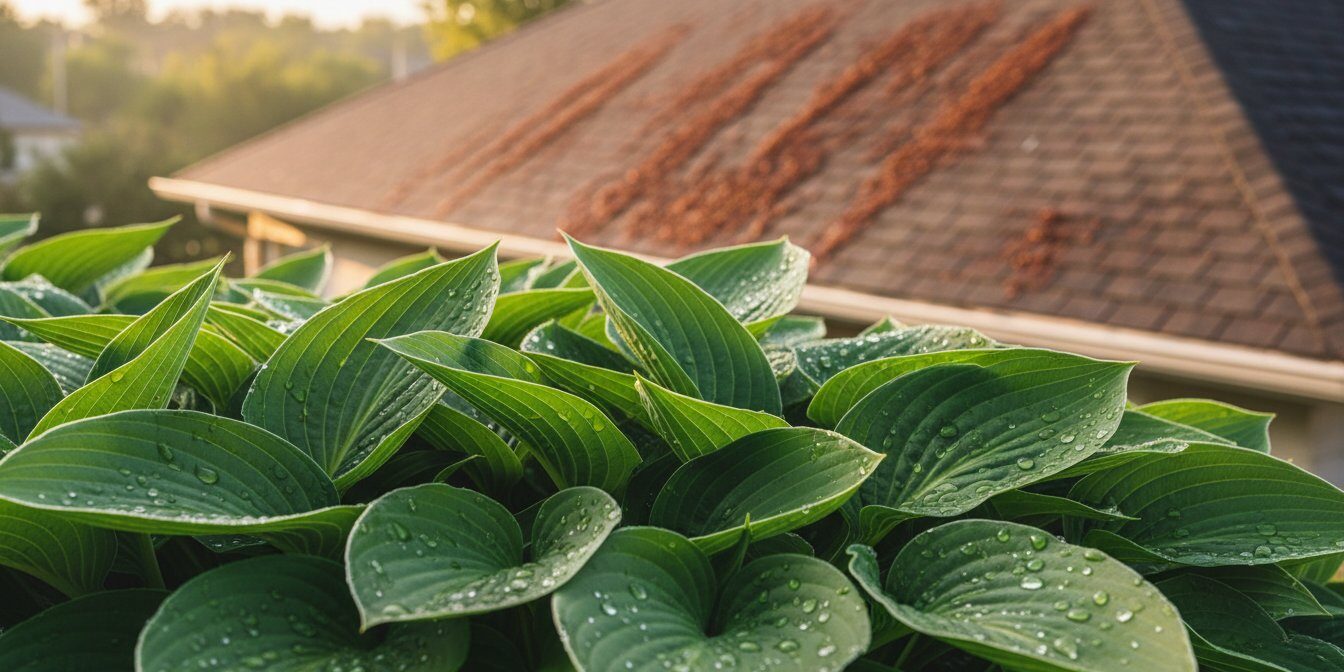
Have you noticed those unsightly black streaks running down your roof? It’s a common sight that can make even a newer home look old and neglected, significantly hurting its curb appeal. Many homeowners assume it’s just dirt, mildew, or a sign that their expensive shingles are failing. The truth, however, is that you’re likely looking at a living colony of algae called gloeocapsa magma. This organism isn’t just an eyesore; it’s feeding on the limestone granules in your shingles, which can lead to premature aging and granule loss over time.
Before you consider a costly roof replacement or risk damaging your shingles with a high-pressure washer, it’s crucial to understand what you’re up against. In this guide, we’ll explain exactly what causes these black stains, the potential damage they can inflict on your roof’s integrity, and the only safe, professional method recommended by shingle manufacturers to eliminate the algae for good. You can restore your roof’s beautiful appearance and protect your investment without resorting to drastic measures.
What Exactly Is Gloeocapsa Magma?
If you’ve noticed ugly, dark streaks staining your roof, you’re not dealing with simple dirt or mildew. The real culprit behind this common issue is a living organism known as Gloeocapsa magma. Contrary to popular belief, this isn’t mold, but a specific type of airborne cyanobacteria. Microscopic spores are carried by the wind and land on rooftops across the country, finding a particularly welcoming home in humid climates where moisture is abundant.
Once it takes root, this resilient bacterium begins to feed, and its meal of choice is your roof. The limestone filler used as a binding agent in most modern asphalt shingles provides the perfect food source. As the colony grows and consumes these materials, it develops a dark, hardened outer shell. This black sheath is a natural defense mechanism, protecting the bacteria from the sun’s harsh ultraviolet rays. Unfortunately, this protective layer is precisely what creates the unsightly and potentially damaging black streaks that diminish your home’s curb appeal and value.
The Science Behind the Stains
Understanding the biology of this organism is key to eliminating it safely. While often mistaken for algae, a closer look at what is Gloeocapsa magma scientifically classifies it as a hardy bacterium. Its life cycle begins when airborne spores land on a surface. These spores then form colonies that grow downwards, creating the signature streaking pattern you see from the ground. Furthermore, this dark coloration causes your roof to absorb more heat, which can lead to higher attic temperatures and increased cooling costs during hot summer months.
Why Your Roof Is the Perfect Environment
A rooftop often provides the ideal combination of elements for this bacteria to flourish. It needs just three things to thrive:
- A Reliable Food Source: The crushed limestone in your asphalt shingles is its primary nutrient.
- Sustained Moisture: Morning dew, humidity, and rainfall provide the water it needs to grow.
- Shade and Protection: North-facing slopes, which receive less direct sun, and areas shaded by overhanging trees stay damp longer, creating a perfect breeding ground.
This is why infestations are so prevalent in humid regions like East Texas. The combination of our climate and modern roofing materials makes professional intervention essential for safely removing the bacteria and restoring your roof’s beautiful appearance.
Is Gloeocapsa Magma Actually Damaging Your Roof?
While those unsightly black streaks certainly ruin your home’s curb appeal, the problems caused by gloeocapsa magma go far beyond aesthetics. This living organism is actively feeding on your asphalt shingles, leading to a slow but steady decline in your roof’s integrity and lifespan. Ignoring the issue allows a cosmetic problem to escalate into significant, costly structural damage.
The damage begins at a microscopic level. The bacteria consume the limestone filler used in asphalt shingles, which is a primary food source. As the colonies grow, they dislodge the protective ceramic granules that shield your roof from the elements. This process creates a cascade of problems that can shorten the life of your roof by years.
From Curb Appeal to Costly Repairs
The granules on your shingles are the first line of defense against harsh UV radiation. As they are stripped away, the underlying asphalt is exposed, causing it to become brittle and crack. This premature aging significantly weakens your roof’s ability to protect your home. Furthermore, these granules help reflect sunlight; their absence means your roof absorbs more heat, leading to higher energy bills as your air conditioner works harder to cool your home. Some insurance companies may even question coverage or raise premiums on a roof showing signs of advanced neglect, making professional cleaning a wise investment in avoiding a premature and expensive roof replacement.
The Domino Effect: Algae, Moss, and Water Damage
A roof colonized by algae creates a damp, nutrient-rich environment perfect for more destructive organisms. The initial growth of gloeocapsa magma acts as a foundation for moss and lichen. According to the Asphalt Roofing Manufacturers Association (ARMA) guide on Algae Discoloration of Roofs, this subsequent growth can cause significant issues. Moss is especially damaging, as its root-like structures can lift and separate shingles, creating pathways for water to penetrate the roof deck. This can lead to:
- Water intrusion and interior leaks
- Rotting of the underlying wood sheathing
- Compromised structural integrity
Water intrusion from a compromised roof is a serious concern, but it’s also critical to protect your home from moisture issues at its base. For homeowners dealing with dampness or leaks from the ground up, a specialist like Del-Val Basement Waterproofing can provide solutions to keep the foundation and lower levels dry and secure.
By safely removing the initial algae infestation, you prevent this destructive domino effect and protect the long-term health of your entire roofing system.
How to Safely Remove Gloeocapsa Magma: Soft Washing is the Only Way
When you see those unsightly black streaks, your first instinct might be to blast them away. However, the goal isn’t just to remove the stain; it’s to safely eliminate the living organism causing it. The only method recommended by roofing professionals and manufacturers to properly treat a gloeocapsa magma infestation is soft washing. This specialized technique prioritizes the health and integrity of your roof over brute force.
Why High-Pressure Washing Is a Recipe for Disaster
Using a high-pressure washer on your asphalt shingles is one of the most damaging things you can do to your roof. It’s an aggressive approach that causes more harm than good and ultimately fails to solve the root problem. High pressure can:
- Strip away shingle granules: These essential granules protect your shingles from UV rays and the elements. Losing them drastically shortens your roof’s lifespan.
- Force water underneath shingles: This can lead to wood rot, mold growth in your attic, and costly leaks.
- Void your roof’s warranty: Most manufacturer warranties are immediately voided if a pressure washer is used on the shingles.
- Allow for rapid regrowth: Blasting the surface doesn’t kill the algae’s root system, ensuring the black streaks return quickly, often worse than before.
The Professional Soft Washing Process Explained
Soft washing is a sophisticated cleaning method that uses low pressure-often no more than a garden hose-to apply a specialized, biodegradable cleaning solution. This cleaning-first approach is endorsed by leading industry bodies like the Asphalt Roofing Manufacturers Association because it safely addresses the infestation. The process involves:
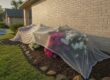
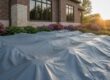
- Property & Landscape Protection: Professionals cover or pre-rinse delicate plants, siding, and fixtures to ensure they are protected from the cleaning solution.
- Solution Application: A carefully calibrated mixture, often containing sodium hypochlorite as the active ingredient, is gently sprayed onto the roof to kill the algae, moss, and bacteria at a microbial level.
- Low-Pressure Rinse: After the solution has had time to work, it is gently rinsed away with fresh water, taking the dead organic matter with it and revealing a clean, restored roof.
Proper dilution ratios and professional-grade equipment are critical for a safe and effective result, which is why this job should always be left to trained technicians.
The Poseidon Power Washing Difference
At Poseidon Power Washing, our certified technicians are experts in the safe and effective removal of gloeocapsa magma. We exclusively use manufacturer-approved soft washing methods that protect your roof’s integrity and your warranty. You can place your trust in our team to restore your home’s curb appeal without risking any damage. Our work speaks for itself, delivering beautiful results that last. For more cleaning insights, check out our company blog.

Preventing Gloeocapsa Magma: How to Keep Your Roof Cleaner, Longer
After a professional SoftWash roof cleaning restores your home’s beauty, the next step is to implement a long-term strategy to keep it that way. It’s important to set realistic expectations: because the spores of gloeocapsa magma are airborne, they can eventually return. However, with a proactive approach, you can significantly extend the life of your clean roof and protect your investment for years to come. The most effective long-term strategy combines professional maintenance with smart homeowner habits.
Proactive Maintenance for a Healthy Roof
A little preventative care goes a long way in keeping your roof healthy and free from unsightly algae growth. We recommend incorporating these simple steps into your annual home maintenance routine:
- Inspect Annually: Once a year, safely inspect your roof for the earliest signs of new streaks or discoloration, especially on north-facing slopes where shade is common.
- Increase Sunlight: Trim back any overhanging tree branches. This allows more sunlight to reach your roof, which helps it dry faster after rain and creates a less hospitable environment for algae.
- Keep Gutters Clear: Clogged gutters trap moisture and organic debris, creating a perfect breeding ground for algae that can spread to your shingles. A clean gutter system is your roof’s first line of defense.
A clean, well-maintained roof isn’t just about curb appeal; it functions more efficiently and has a longer lifespan, saving you money on energy bills and future repairs.
When to Schedule Your Next Professional Roof Cleaning
Think of professional roof cleaning as a crucial part of your home’s regular maintenance schedule, just like servicing your HVAC system. For most homes in our climate, a professional SoftWash treatment every 3-5 years is the ideal frequency to prevent algae from taking hold. While preventative hardware like zinc or copper strips can be effective, they are best installed with a new roof. For existing roofs, nothing is more effective than a professional cleaning service.
By staying ahead of the problem, you protect your property’s value and ensure your roof can properly shield your home from the elements. Ready to restore your roof’s beauty and create a long-term protection plan? Request a free consultation today.
Protect Your Roof and Restore Your Home’s Beauty
Those unsightly black streaks on your roof are more than just dirt; they are a living organism called gloeocapsa magma that feeds on your shingles and compromises your roof’s integrity. While damaging, it’s a problem that can be solved safely and effectively. The key is understanding that high-pressure washing can cause irreversible harm, making professional soft washing the only method recommended by roofing manufacturers to protect your investment.
You can place your trust in the expertise of Poseidon Power Washing. As a trusted name in Tyler and East Texas for years, our certified and annually trained technicians use industry-leading SoftWash methods approved by roofing manufacturers to completely eliminate algae at its root without damaging your shingles. We are dedicated to providing amazing, long-lasting results that protect your property.
Ready to see the difference a professional clean makes? Schedule Your Free, No-Obligation Roof Cleaning Consultation with our team today. Let us help you restore your home’s curb appeal and protect your roof for years to come.
Frequently Asked Questions About Gloeocapsa Magma
How long does it take for the black streaks to disappear after a soft wash?
While our professional soft wash process neutralizes the algae instantly, the visible black streaks may take time to vanish completely. These stains are the dead organic matter. You will see a dramatic improvement immediately, but the full, beautiful result appears as rain gently rinses the residue from the shingles. Depending on the amount of rainfall and the initial severity, this process can take anywhere from a few weeks to a couple of months for a spotless finish.
Can I clean Gloeocapsa magma off my roof myself with a DIY solution?
We strongly advise against DIY roof cleaning. Working on a wet roof without professional safety equipment is extremely dangerous. Furthermore, improper chemical mixtures or using a pressure washer can permanently damage your shingles, void your roof’s warranty, and cause costly leaks. For a safe, guaranteed result that protects your investment, you can place your trust in the expertise of a certified and insured professional who uses proper soft washing techniques and equipment for the job.
Will roof cleaning damage the plants or landscaping around my house?
Absolutely not, when performed by a professional company. Our experienced technicians take meticulous steps to protect your property. We pre-saturate all surrounding plants and landscaping with water, cover delicate vegetation when necessary, and carefully manage all runoff. After the cleaning is complete, we perform a thorough final rinse of your plants and siding. This proven process ensures our biodegradable cleaning solutions are neutralized, leaving your landscaping vibrant and unharmed.
Do algae-resistant shingles completely prevent Gloeocapsa magma?
Algae-resistant (AR) shingles, which are infused with copper granules, are an excellent defense and significantly slow the growth of gloeocapsa magma. However, they are not permanently immune. Over time, as the protective copper granules slowly wash away, streaks can still begin to form, especially on shaded or north-facing roof sections. While AR shingles greatly extend the time between cleanings, a professional soft wash may eventually be needed to maintain your roof’s pristine appearance.
How much does professional roof cleaning cost in the Tyler, TX area?
For a typical residential home in the Tyler, TX area, professional soft wash roof cleaning costs generally range from $350 to $900. The final price is determined by several factors, including the roof’s total square footage (which professionals often verify with reports from services like 1ESX), its pitch (steepness), the severity of the algae infestation, and overall accessibility. The best way to get an accurate price for your property is to schedule a free, no-obligation consultation with our team for a detailed and transparent quote.
Is Gloeocapsa magma harmful to my family’s health?
The gloeocapsa magma algae on your roof is not like the toxic black mold found indoors and does not pose a direct health threat to your family. Its primary danger is to your roof’s structural integrity and longevity. However, by trapping moisture, it can create an environment where other molds and allergens might thrive. For individuals with severe allergies or respiratory sensitivities, eliminating any large-scale organic growth around the home is always a wise decision.